.png)
Why your skin feels dull in Perimenopause (and how to bring it back to life naturally)
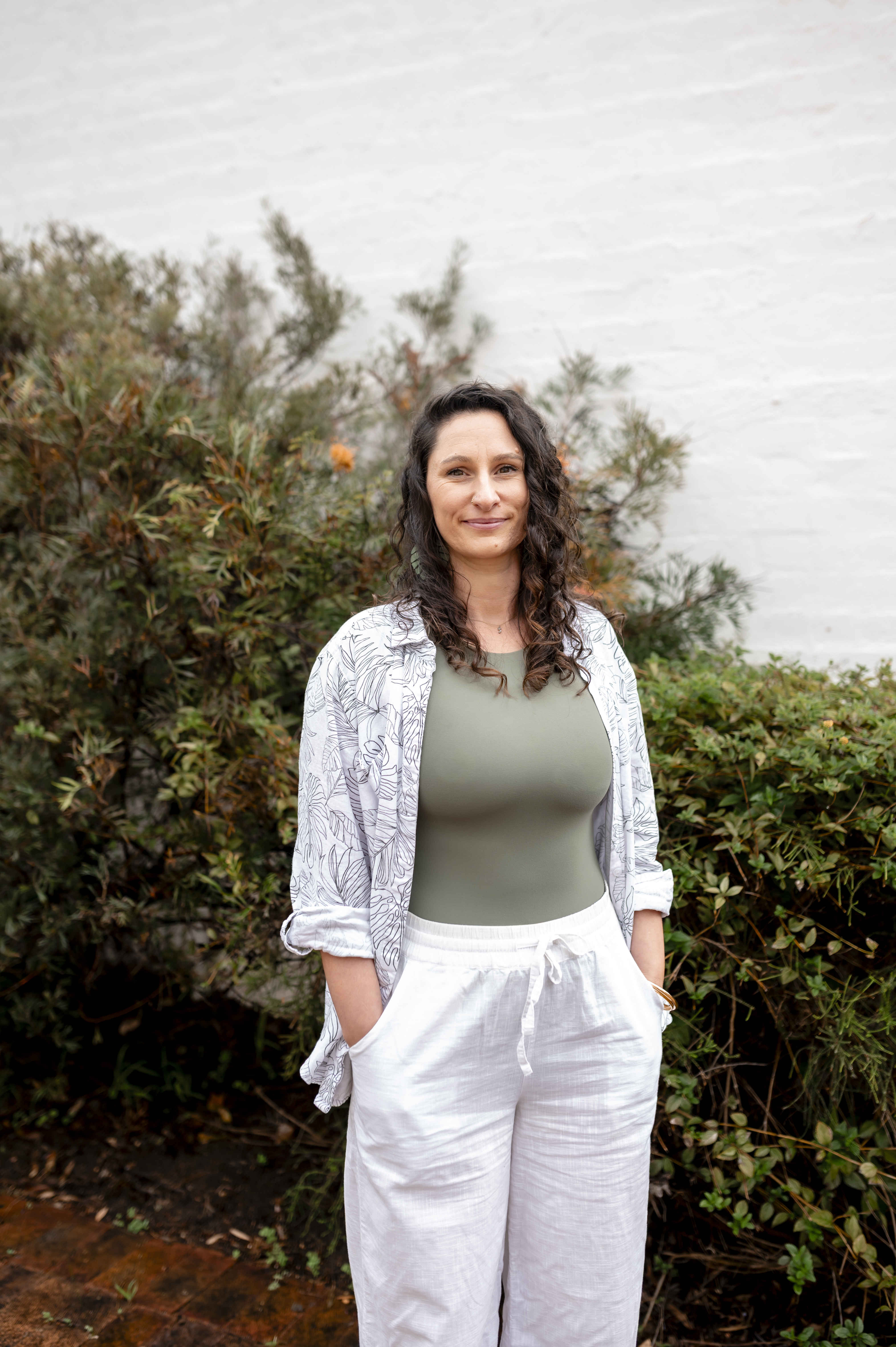
If you’ve started noticing that your skin looks more tired, dull, or “flat” than it used to - despite using the same products that once worked - you’re not imagining it.
For many women, especially mums juggling a lot, perimenopause can feel like it quietly arrives… and suddenly your skin just isn’t you anymore.
The glow fades. Fine lines seem deeper. Hydration disappears overnight. And no serum quite seems to fix it.
Before you start considering Botox, fillers, or more invasive treatments, it’s worth understanding what’s actually happening beneath the surface - because your skin is reflecting deeper hormonal and physiological shifts.
What’s Actually Happening to Your Skin in Perimenopause?
Perimenopause can begin in your late 30s to early 40s, often while you’re still raising children, managing work, and carrying a heavy mental load.
During this time, your hormones - particularly oestrogen and progesterone - begin to fluctuate (not just decline).
1. Declining Oestrogen = Less Collagen, Less Glow
Oestrogen plays a key role in:
Collagen production
Skin thickness and elasticity
Hydration and oil balance
Blood flow to the skin
As oestrogen declines, collagen production can drop significantly (some studies suggest up to 30% in the first five years of menopause).
This leads to:
Thinner, more fragile skin
Increased fine lines and wrinkles
Loss of firmness
A dull, less radiant appearance
2. Reduced Hydration
Oestrogen also helps your skin retain moisture.
As levels fluctuate, your skin barrier becomes less efficient, leading to:
Dryness
Flakiness
A “crepey” texture
That tight, uncomfortable feeling - even after moisturising
3. Slower Skin Cell Turnover
In your younger years, your skin naturally renews itself every ~28 days.
During perimenopause, this slows down.
Dead skin cells accumulate on the surface, which can make your skin look:
Dull
Uneven
Rough
4. Stress + Cortisol = Accelerated Ageing
Let’s be real - many mums entering perimenopause are also in a season of high stress.
Chronic stress increases cortisol, which:
Breaks down collagen
Impairs skin repair
Triggers inflammation
Disrupts sleep (which is when your skin regenerates)
This “wired but tired” state is one of the biggest contributors to that grey, lifeless skin tone.
5. Nutrient Depletion
Years of pregnancy, breastfeeding, stress, and busy lifestyles can deplete key nutrients that support skin health, including:
Iron
Zinc
Vitamin C
Essential fatty acids
Low iron in particular can reduce oxygen delivery to tissues - often showing up as pale, tired-looking skin.
Why Quick Fixes Like Botox & Fillers Aren’t the Full Answer
It’s understandable to want fast results - but these treatments don’t address the root cause.
Botox (Botulinum Toxin)
Botox works by temporarily paralysing muscles to reduce the appearance of wrinkles.
However:
It’s a neurotoxin (derived from Clostridium botulinum)
Effects are temporary (3–6 months)
Repeated use may lead to muscle atrophy over time
Some people experience side effects like headaches, eyelid drooping, or facial asymmetry
Dermal Fillers
Fillers (often hyaluronic acid-based) aim to restore volume.
Potential risks include:
Migration of filler
Lumps or uneven texture
Vascular complications (rare but serious)
Chronic inflammation in some cases
These approaches can change how the skin looks, but not how it functions.
If your skin is dull because your body is depleted, inflamed, or hormonally imbalanced - injectables won’t fix that underlying picture.
A Natural Approach: Supporting Skin From Within
The goal isn’t just “better skin” - it’s healthier skin that reflects a well-supported body.
Here’s where to focus:
1. Nourish Collagen Production
Instead of just applying collagen topically (which has limited penetration), support your body to make it.
Key nutrients:
Vitamin C (essential for collagen synthesis)
Zinc (tissue repair)
Amino acids (glycine, proline)
Food sources:
Citrus, kiwi, berries
Pumpkin seeds, legumes
Bone broth (if not vegetarian) or collagen-supporting plant foods like tofu + legumes
Supplement options:
Hydrolysed collagen peptides
Vitamin C + zinc blends
2. Support Hormonal Balance
You can’t stop perimenopause but you can support how your body moves through it.
Helpful herbs (always individualise):
Maca: supports hormonal adaptation
Shatavari: traditionally used for female hormone support
Vitex (chaste tree): can support progesterone balance
3. Rebuild Skin Hydration
Healthy fats are essential for skin barrier function.
Include daily:
Avocado
Extra virgin olive oil
Nuts and seeds
Omega-3 rich foods (chia, flax, walnuts)
Consider:
Omega-3 supplements for additional anti-inflammatory support
4. Improve Skin Turnover—Gently
Support natural detoxification and cell renewal:
Eat bitter greens (rocket, dandelion, kale)
Stay hydrated (aim for consistent water intake—not just coffee)
Support liver function with foods like beetroot, cruciferous vegetables
5. Address Stress & Nervous System Health
This is non-negotiable.
Skin health is deeply tied to your nervous system.
Focus on:
Prioritising sleep (even if imperfect)
Gentle movement (walking, Pilates, yoga)
Reducing stimulants if you’re in a “wired but tired” state
Breathwork or mindfulness practices
6. Check Your Iron & Nutrient Status
If your skin looks pale, dull, or you feel exhausted:
Check iron levels (including ferritin)
Assess B vitamins, zinc, and vitamin D
Correcting deficiencies can dramatically improve skin tone and vitality.
Simple Daily Rituals That Make a Difference
You don’t need a 10-step routine.
Consistency beats complexity.
Start your day with protein + healthy fats
Get natural light early in the morning
Hydrate before caffeine
Eat colourful, nutrient-dense meals
Wind down properly at night (your skin repairs while you sleep)
The Bigger Picture
Your skin is not failing you. It’s communicating with you. Perimenopause is a transition - not just hormonally, but metabolically, emotionally, and neurologically.
When your skin looks dull, it’s often a sign that your body needs more support—not more products.
You Don’t Need to “Freeze” Your Face to Feel Like Yourself Again
It’s easy to feel pressure to look the same as you did 10 years ago.
But true radiance doesn’t come from erasing movement or adding volume - it comes from:
Nourishment
Hormonal support
Nervous system regulation
Deep, cellular health
When you work with your body instead of against it, your skin doesn’t just look better—it becomes more resilient, hydrated, and alive.
Ready to Support Your Skin (and Hormones) Properly?
If your skin feels dull, dry, or like it’s aged overnight, it’s worth looking deeper.
In clinic, I take a root-cause approach - assessing hormones, stress, nutrient status, and lifestyle to create a personalised plan that supports your skin from within.
You don’t have to guess your way through this phase.
Book a consultation to restore your energy, balance your hormones and bring your skin back to life - naturally.



Comments